
Dubai Wealth Management Guides Smart Property Investment

Navigating Dubai’s Wealth Management Landscape for Smart Property Investment
Picture this: You have found a stunning off-plan apartment in Dubai Marina. The developer offers a flexible payment plan. The projected rental yield looks impressive. Everything seems perfect. But then doubt creeps in. Is the developer reliable? Will the area really appreciate in value? Are the fees transparent?
That moment of hesitation is exactly why you need professional guidance.

Dubai continues to be a top destination for real estate investment in 2026. High-net-worth individuals and expats from around the world are drawn by strong rental yields and solid capital growth. The city’s tax-friendly environment and world-class infrastructure make it even more attractive. But here is the thing. The market has layers of complexity. Off-plan risks, changing regulations, and cross-border tax issues can trip up even experienced buyers.
This is where expert advice makes all the difference. A trusted wealth management partner helps you cut through the noise and make decisions backed by real data. Dubai’s private wealth sector is now a global hub, with firms offering everything from portfolio management to succession planning. According to a recent industry ranking, the city’s wealth managers are increasingly focused on helping international families navigate cross-border challenges.
This guide gives you a simple research framework for vetting wealth management firms and investment companies in Dubai. Whether you are looking for Annex Wealth Management type personalized service or exploring options like Norges Bank Investment Management style institutional strategies, our goal is to help you align with a trusted advisor for your property goals.
The right partner turns complexity into clarity. Let us walk through how to find yours.
Ready to start your Dubai property journey with expert guidance? We can help you connect with a trusted market professional.
Understanding the Role of Wealth Management in Dubai Real Estate
So what exactly does a wealth manager do for your Dubai property plans? The short answer is they help you make smarter moves with your money.
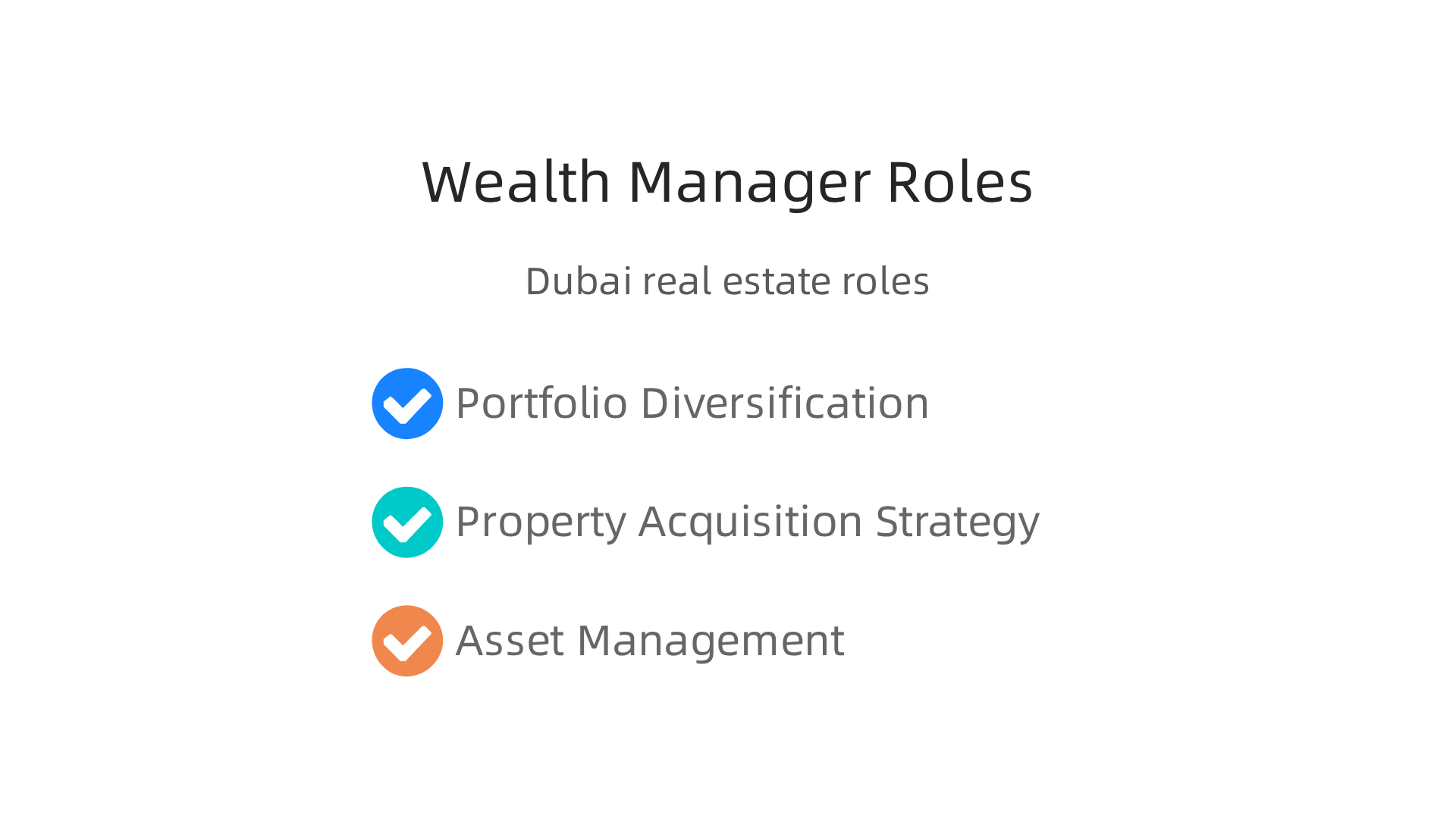
A good wealth manager offers more than just advice on which apartment to buy. They look at the big picture. This includes portfolio diversification, which means spreading your money across different types of investments to lower risk. They also help you build a property acquisition strategy so you buy at the right time and price. And after you purchase, they keep an eye on your asset management ensuring your property performs well over the long haul.
Many top firms listed among the leading wealth management companies in Dubai offer these exact services in a structured way.
The best wealth managers blend local market know-how with global wealth planning. For example, they understand Dubai’s rental yield trends and new freehold areas. At the same time, they plan for cross-border tax rules and succession needs if you live outside the UAE. This mix helps you balance risk and return in a fast-moving market like Dubai.
Investors who lean on a dedicated wealth manager often feel more confident. They report better long-term results on their real estate holdings because they avoid emotional decisions. Instead of chasing a hot development, they follow a clear plan built on data and experience.
If you want to learn more about how this works, check out this guide on how professional guidance protects your investment. It walks through the specific ways a wealth manager shields you from common mistakes.
Ready to take the next step? Get a FREE Dubai Real Estate Consultation and speak with an expert who understands the market from the inside.
Key Services Offered by Top Investment Companies in Dubai
When you start looking at investment companies in Dubai, the service menu matters a lot. The best firms do not just sell you a property. They guide you through the whole journey from start to finish.
Here is what the full package usually includes:
Market research. Top firms dig into neighborhood data, rental trends, and future development plans. This helps you pick areas with strong growth potential.
Property sourcing. They find deals that match your budget and goals. This includes off-plan projects from trusted developers and ready homes that earn rent right away.
Legal due diligence. A good firm checks every document. They make sure the title deed is clean, the developer is registered with RERA, and all fees are transparent.
Financing support. Whether you need a mortgage or want to structure a cash purchase, they connect you with the right lenders.
Exit planning. Smart investors think about selling before they buy. Top firms help you plan when and how to exit for the best return.
Many leading companies also give clients access to exclusive off-plan deals and pre-IPO real estate funds. This lets you diversify without owning a whole property yourself. For example, CBRE Investment Management offers real asset solutions across different markets, giving investors flexible ways to participate in real estate growth.

Some firms provide annex wealth management services that go beyond the basics. These extra layers include cross-border tax planning, estate structuring, and regular portfolio reviews. Think of it as the difference between buying a property and truly building long-term wealth.
The service menu at top Dubai firms ranges from large institutional approaches, similar to how Norges Bank Investment Management handles global assets, down to the personalized touch you get from a boutique like Jarvis Management Investment. The right fit depends on your goals and risk comfort.
Many of the leading wealth management companies in Dubai also offer access to institutional-level research that smaller investors rarely see.

This insight helps you spot trends before the broader market catches on.
When you compare firms, look at the full service list carefully. Some focus on high-net-worth wealth management with a personal touch. Others lean into strategies backed by large research teams. The right choice depends on your investment horizon.
For a deeper look at how these services work in practice, check out this guide on how private wealth management helps you invest in Dubai property.
How to Vet a Wealth Management Firm: Credentials, Track Record, and Trust
Once you know what services to look for, the next step is making sure the firm you pick is legit. In Dubai, not everyone who calls themselves a wealth manager has the right licenses. So how do you separate the real experts from the salespeople?
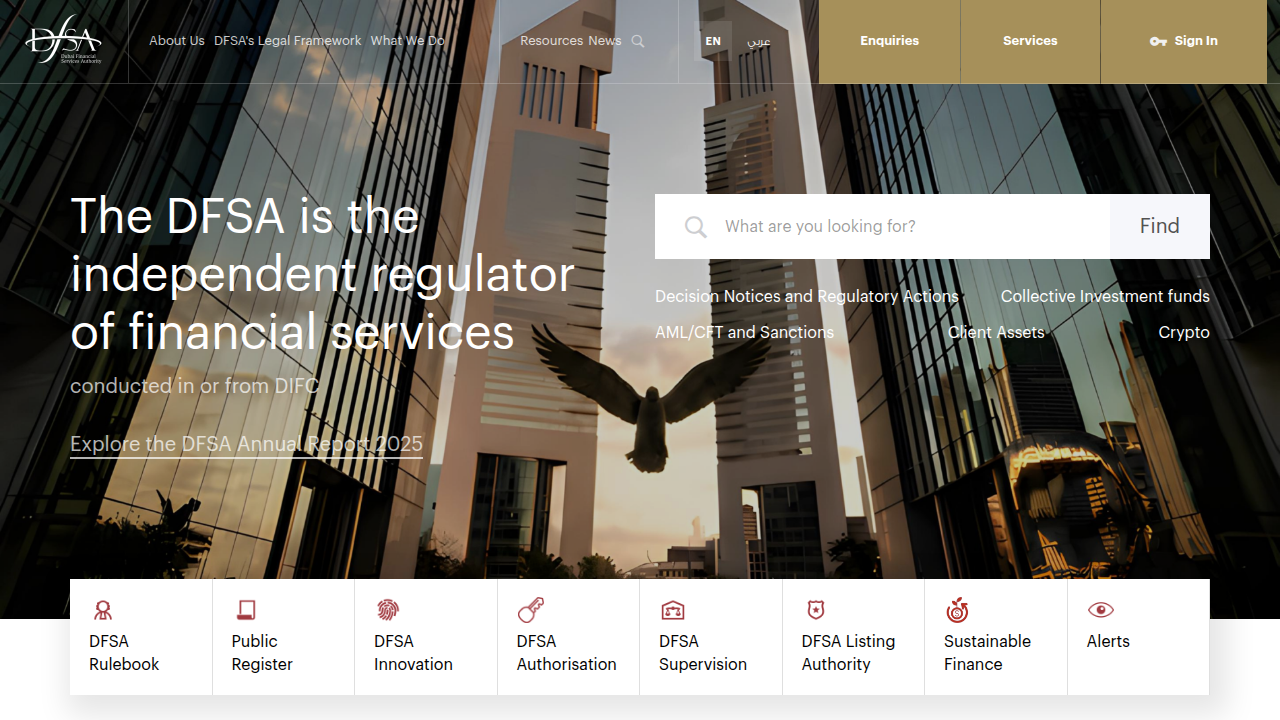
Start with regulatory credentials. Every legitimate wealth management firm in Dubai must be registered with the right authorities. If a firm operates inside the Dubai International Financial Centre (DIFC), it needs a license from the Dubai Financial Services Authority (DFSA). The DFSA is the independent regulator of financial services in DIFC. You can check a firm’s license status on the DFSA public register. Firms operating outside the DIFC should be registered with the Securities and Commodities Authority (SCA) instead. If a firm hesitates to share its license number, that is a red flag.
Look at the track record. A firm that has been active in Dubai real estate for several years likely knows the market well. Ask for specific case studies. How have they helped clients with off-plan purchases or rental portfolio management? Do they share performance benchmarks? A firm that can show you real results instead of just promises is worth your time.
Check for professional accreditations and third-party reviews. Look for designations like Certified Financial Planner (CFP) or Chartered Financial Analyst (CFA) among the team members. These credentials show a commitment to high standards. Also, ask for client referrals. Talk to someone who has worked with the firm for at least a year. Online reviews on independent platforms can also give you a real sense of the firm’s reputation.

Some firms go even further by offering what is known as annex wealth management. This means they handle not just your property investments but also your tax planning, estate structuring, and cross-border financial needs. When vetting a firm, ask if they provide these extra layers. A firm that can serve both your property goals and your broader wealth strategy is often a stronger long-term partner.
For a deeper look at how to check a firm’s background, read this guide on vetting your wealth manager in Dubai.
Ready to find the right advisor for your Dubai property journey? Get a FREE Dubai Real Estate Consultation with Ayaz Salman and take the first step with confidence.
Regulatory Landscape: Understanding Dubai’s Wealth Management Oversight
You might wonder why checking a license number is so important. It all comes down to the rules that keep your money safe. Dubai has a clear system for who watches over wealth managers. Understanding this system helps you sleep better at night.
The Dubai International Financial Centre (DIFC) is the main hub for wealth management. The regulator there is the Dubai Financial Services Authority (DFSA). The DFSA is strict. It makes sure every firm inside the DIFC follows the same high standards. These rules cover things like asset management and custody services. The DFSA also works with other regulators to keep everything consistent. For example, it signed a DFSA and SCA regulatory cooperation agreement to make the system stronger for everyone. If a firm is in the DIFC, you can check its license right on the DFSA public register.
What if the firm is based outside the DIFC, on the mainland? Then the Securities and Commodities Authority (SCA) is the regulator in charge.
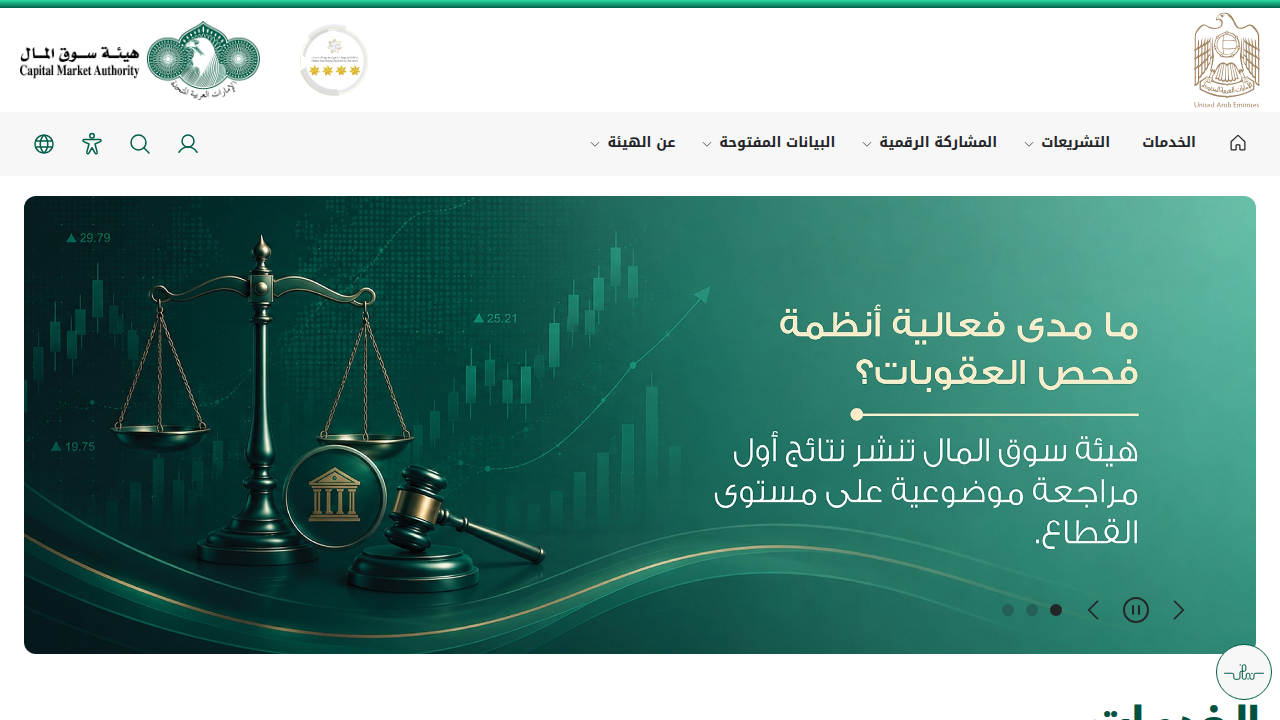
The SCA looks after investment firms that operate in the rest of Dubai. The SCA rules on marketing foreign funds are very clear. A firm cannot just sell you any foreign investment without following strict local rules. This protects you from unlicensed salespeople pushing risky products.
Both the DFSA and SCA enforce two very important rules: anti-money laundering (AML) and know-your-client (KYC). This means a real wealth manager must verify who you are and where your money comes from. It feels like a paperwork hassle, but it protects you. It keeps criminals out of the system. A firm that skips these steps is a firm you should walk away from. When a firm follows these rules, they can offer safer high-net-worth wealth management services.
This strong regulatory system is what makes comprehensive wealth management possible. It clears the way for what is known as annex wealth management. That means the firm can handle your property investments, your tax planning, and your estate structuring all in one place. Whether a firm uses strategies similar to norges bank investment management or provides a more personal touch like jarvis management investment, the regulations make sure everyone follows the same honest playbook. If you want to learn more about how top firms operate here, read our guide on Dubai real estate wealth management for high net worth investors.
When you know who is watching over your money, you can invest with real confidence.
Tax Implications and Wealth Structuring for Expat Real Estate Investors
Now that you understand the regulators, let’s talk about something every expat investor cares about: taxes. Dubai is famous for being tax free on rental income and capital gains for most individual investors. That is a huge reason people choose this city. You buy a property, rent it out, and keep all the profit. No personal income tax on that money. That part is simple.
But here is where it gets tricky. If you set up a company to hold your property, the rules change. A corporate structure can bring tax obligations in the UAE and back in your home country. Many expats use a Special Purpose Vehicle (SPV) or a trust to manage their properties. A good wealth manager can help you pick the right structure so you do not accidentally owe taxes you could have avoided.
Wealth structuring is not just about saving money. It is about making sure your investment is safe and legal across borders. For example, if you live in the UK or Canada, your home country might want to tax your worldwide income. That includes rental money from a Dubai apartment. A smart structure can reduce that burden using double taxation treaties. These treaties stop you from being taxed twice on the same income. But not every country has a treaty with the UAE, so you need expert advice. The UAE also has something called economic substance requirements. If you set up a company in a free zone, you must show real business activity here. A shell company with no real operations can get shut down. That is why researchers point out that understanding the regulatory authorization requirements in the UAE is critical for high net worth investors.
This is where annex wealth management comes into play. A full service wealth manager does not just pick properties for you. They look at the whole picture: your home country tax laws, the UAE rules, your family goals, and your exit plan.

They help you decide between holding property in your personal name, through a trust, or through a corporate entity like an SPV. Each option has different costs and tax effects. Some investors prefer strategies similar to norges bank investment management, using a long term, low cost approach. Others want a hands on style like cbre investment management or jarvis management investment. No matter your style, the goal is the same: keep more of your money and follow the law.
For high net worth investors, this kind of high net worth wealth management is not optional. It is how you protect your portfolio from tax surprises. If you want to learn how top firms handle this, check out how private wealth management helps you invest in Dubai property. And if you are ready to take the next step, you can get a free consultation to discuss your situation directly with a local expert.
When you structure your investments the right way, you can enjoy Dubai’s tax advantages without worrying about problems back home.
Off‑Plan Properties: Risks and How Wealth Managers Mitigate Them
Buying a property before it is built sounds exciting. You lock in today’s price, wait a few years, and hope the value goes up. That is the appeal of off‑plan properties. And yes, many investors make good money doing this. But here is the reality: off‑plan comes with real risks that can cost you if you are not careful.
The biggest worry is project delays. Construction can fall behind schedule for many reasons. Some projects get delayed by months or even years. You cannot move in or earn rent during that time. Another risk is developer default. If the builder runs out of money, the project might stop completely. And even if everything goes fine, the market could change while you wait. What looked like a smart buy might be worth less by the time the keys are handed over. These are the main risks of buying off‑plan property in Dubai that every investor should understand.
So how do you protect yourself? This is where good wealth management comes in. A skilled wealth manager does not just let you pick a project and hope for the best. They dig deep into the developer’s past work. They check how many projects the developer finished on time. They look at the quality of those projects. They also review the escrow account rules. In Dubai, developers must put your money into a RERA‑regulated escrow account. That money can only be used for construction. Your wealth manager makes sure that is happening and that the developer is using the funds correctly.
Beyond that, they track construction milestones. They do not just set it and forget it. They monitor progress against the developer’s plan. If something looks off, they raise the flag early. They also help you spread your risk by investing across different phases, locations, and developers. This kind of diversification is a smart way to reduce the impact of a single project going wrong.
Think of annex wealth management as your safety net. A team that does the hard research so you do not have to guess. They apply the same careful thinking used by large funds, like norges bank investment management or cbre investment management, but tailored to your personal goals. That is the value of high net worth wealth management in the off‑plan space.
If you want to see how a full service approach works, take a look at how top advisors help you navigate the entire process. This kind of guidance turns a risky bet into a calculated investment.
Independent Advisors vs. Bank‑Linked Wealth Managers: Which Is Right for You?
Now that you understand how wealth managers protect you on off‑plan deals, you face another big choice. Do you work with an independent wealth manager or one linked to a bank? Both options have strengths. But they serve different needs.
Independent wealth managers work for themselves or their own firm. They are not tied to any bank or product provider. That freedom lets them shop the whole market for you. They can recommend investments from many different companies. They are not forced to push a bank’s own funds or insurance products. This often means more honest advice and access to alternative investments like real estate funds, private deals, and off‑plan projects. If you want a portfolio built purely around your goals, independence is a strong draw.
Bank‑linked wealth managers operate inside a larger bank. Think of brands like RBC or Merrill. Their big advantage is convenience. You can see your banking, mortgages, and investments in one place. Your advisor knows your full financial picture because they sit inside the bank. The trade‑off? They are usually limited to the bank’s own products. This makes their advice more conservative and less flexible. They often avoid alternative assets like off‑plan real estate for that reason.
One more thing matters in Dubai. The UAE does not require any specific license to call yourself a financial advisor. That makes it critical to check who you hire. According to a detailed guide on the Dubai advisory market, you should prioritize advisors who act as fiduciaries and charge transparent fees rather than commissions. This applies whether they are independent or bank‑linked.
So which is right for you? If you value integrated banking services and want a conservative, one‑stop approach, a bank‑linked advisor works well. If you want broader options and unbiased recommendations, an independent manager is likely a better fit.

Many high‑net‑worth investors prefer independents precisely because they can invest in assets like Dubai real estate that banks might overlook.
For a deeper look at what to watch for when hiring a guide, check out this guide on how to hire a fiduciary investment advisor in Dubai. It gives you a clear checklist so you can separate real experts from salespeople.
If you want to see how true independent advice changes the game, think of annex wealth management as your partner. This kind of approach combines broad market access with a focus on your personal goals. It is one reason why professional guidance matters so much in Dubai’s property market.
Ready to take the next step? Schedule your FREE Dubai Real Estate Consultation to get personalized advice on your investment strategy.
Red Flags and Due Diligence Checklist for Wealth Management Firms
You have decided between independent and bank-linked advisors. Now it is time to protect yourself from the wrong ones. The honest truth is that not every wealth manager in Dubai deserves your trust. Some are highly skilled. Others are just salespeople in nice suits.
Watch for these red flags right away.
Guaranteed returns. No one can promise you a specific return every time. Markets go up and down. If a manager says you will make 15% every year, walk away.
Pressure to invest quickly. A good advisor lets you take your time. If someone tells you the deal expires tomorrow, that is a trick. Real opportunities do not vanish overnight.
Lack of transparency. You should always know where your money goes. If a manager avoids showing fees or hiding who they work for, that is a problem.
A strong first step is to verify the firm’s license. In Dubai, the Dubai Financial Services Authority (DFSA) regulates firms in the DIFC. The Securities and Commodities Authority (SCA) covers firms outside the DIFC. You can check any company by looking at the DFSA public register of authorized firms. This simple check can save you from frauds.
Next comes deeper due diligence. Ask for these things before you hand over any money:
- Track record. Request audited performance reports for the last three to five years. Not just their best year, but all years.
- Fee structure. Every charge should be clear. Management fees, performance fees, and hidden costs must all be explained in writing.
- Conflict of interest policies. Do they earn commissions for selling you specific products? Or do they charge a flat fee? Fee-only advisors are usually more trustworthy.
- Dispute resolution. How does the firm handle complaints? Do they have a process that does not force you into expensive legal battles?
Following a due diligence plan helps you separate real experts from smooth talkers. For a full checklist you can use, read more about vetting your wealth manager in Dubai.
Many top firms, including those tied to institutional names like CBRE Investment Management or Norges Bank Investment Management, welcome this level of scrutiny. They know their reputation depends on trust.
A firm like annex wealth management, with its focus on transparent, independent advice, is the kind of partner that passes these checks with confidence. The goal is to find a manager who acts as a true fiduciary for your high-net-worth wealth management needs.
Always remember: a few hours of homework now can protect years of investment returns later.
Summary
This article explains how professional wealth management helps international and high‑net‑worth investors make smarter Dubai property decisions. It outlines the services top firms offer — market research, property sourcing, legal checks, financing, and exit planning — and shows why a holistic advisor who also handles tax, succession, and cross‑border issues (annex wealth management) matters. The guide details how to vet firms by checking DFSA/SCA licenses, track records, credentials, and client references, and it covers the regulatory framework that protects investors. You’ll also learn practical steps to reduce off‑plan risks, the tradeoffs between independent and bank‑linked advisors, and a concrete due diligence checklist with common red flags to avoid. After reading, you will know how to shortlist trustworthy wealth managers, structure your investment to limit tax surprises, and where to get a free consultation to start your Dubai property journey.