
Investment Company Dubai The Investor’s Blueprint for Dubai Property

Why this guide matters for property investors entering Dubai
Dubai’s property market is a really exciting place in 2026. Lots of people from all over the world, especially those with good amounts of money, want to invest here. They see chances to make their money grow. But, like any big step, buying property in a new country can be tricky. It’s not always as simple as it looks on the surface.
One of the main challenges for international investors is figuring out all the rules. For example, knowing who can own what kind of property and where is important. Dubai has different rules for foreigners, like needing to buy in special "freehold" areas. Also, sometimes it’s best to own property through a company rather than just as a person. This means setting up the right kind of business, like a free zone company or a Special Purpose Vehicle (SPV), and making sure all the paperwork is correct. An expert guide on foreign company owning property in Dubai explains these specific rules.
Beyond just owning the property, there are other things to think about. You need to understand local taxes and how to keep your investment safe. You also need to know the market well. What areas are growing fastest? What kind of homes or apartment buildings are most popular? If you’re not living in Dubai, managing a property from far away can be a big job. This includes finding good renters, handling repairs, and making sure everything runs smoothly. These things can be hard for even the smartest investors to manage alone.
This is where a dedicated investment company Dubai can make a huge difference. These companies are experts in the local market. They help you get through all the complicated parts. They understand the legal setup, like which company structure is best for your investment. This is important for things like your taxes and how you can manage your property over time.
A good financial investment company will also offer financial planning & wealth management. This means they help you plan for the future, making sure your property investment fits into your bigger money goals. They can guide you on the best places to put your money, whether you’re interested in big apartment buildings or smaller homes. If you’re looking for an apartment investment and management company, they can even take care of finding tenants and handling daily tasks for your property. They really help take the stress out of investing.
By working with the right team, you can avoid many common problems and make better choices. They act like your local guide, helping you understand everything from legal steps to the best market opportunities. This guide will show you how to find and work with such experts to make your Dubai property journey a success. You can also learn more about why you need a top investment advisor firm in Dubai for 2026.
Ready to get started? If you’re thinking about buying, selling, renting, or investing in Dubai property, it’s smart to talk to someone who knows the ropes.
FREE Dubai Real Estate Consultation
What is an investment company in the Dubai property context?
When we talk about an investment company Dubai, it’s usually not just a regular person buying a home. Instead, it means using a special business setup to own property. Think of it like putting a layer between you and the building you want to buy. This layer is a company.
Most investors, especially those from other countries, find it smart to hold their property through a company. Why? Because owning property as a company can offer many benefits. It can help with taxes, make it easier to pass on the property later, and protect your assets. The rules for owning property in Dubai depend on who you are and where the property is located, making company ownership a helpful option for many foreign investors, as explained in a guide on how to structure your ownership of real estate property in Dubai.
Different Ways Companies Own Property
There are a few popular types of companies that investors use to hold property in Dubai in 2026. These are called legal forms.
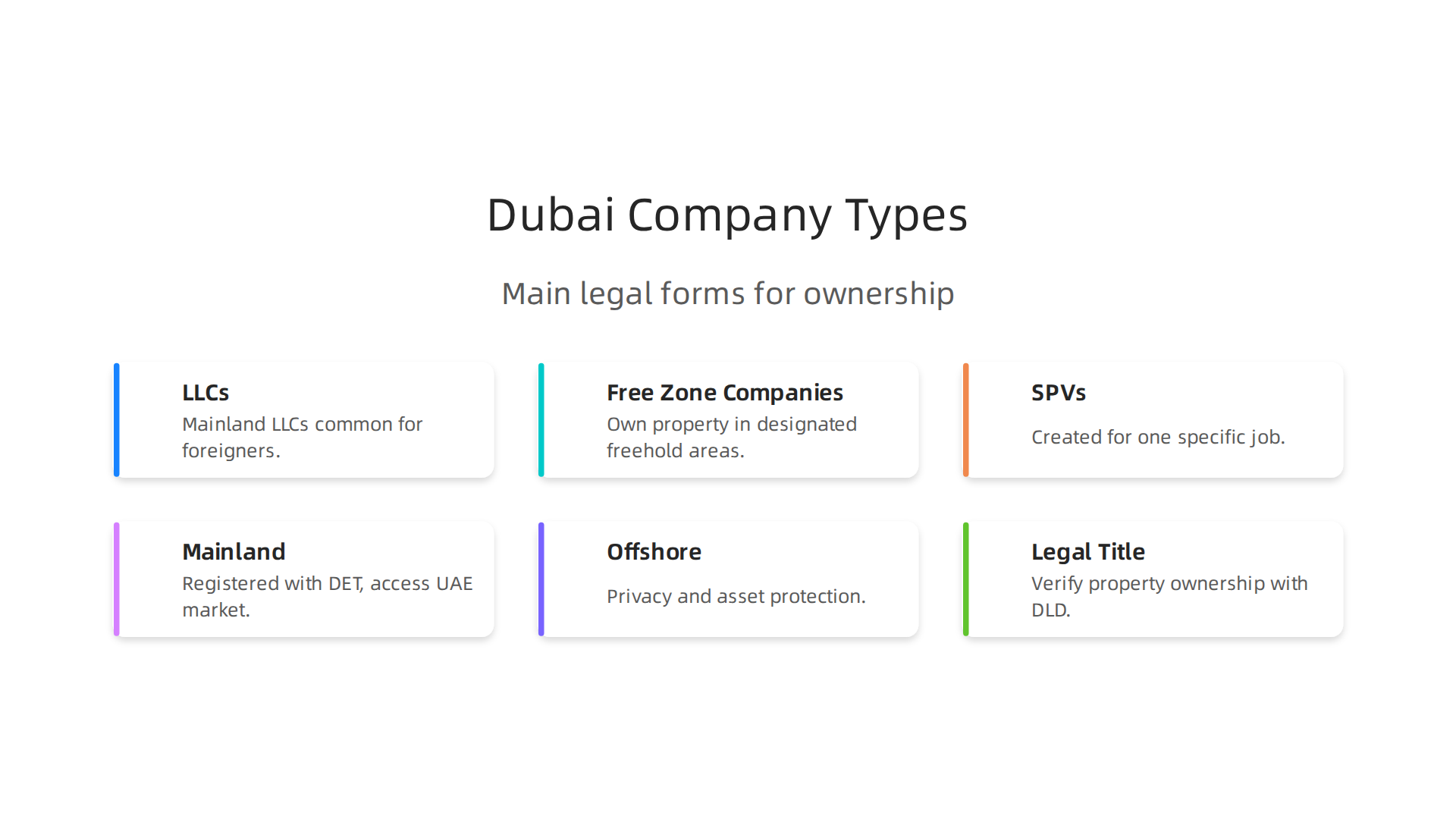
- Limited Liability Companies (LLCs): A Mainland LLC is a common way for foreigners to own businesses in Dubai. While there have been big changes allowing 100% foreign ownership for many business activities, using an LLC to directly own freehold property in Dubai is still a popular choice for many, according to a 2026 Guide for Property Investors.
- Free Zone Companies: Dubai has many special "free zones" which are areas with their own rules. Companies set up in these free zones can sometimes own property in designated freehold areas of Dubai. These companies include those from places like the Dubai International Financial Centre (DIFC) or Abu Dhabi Global Market (ADGM). These offer special benefits and are often used by larger financial investment company setups.
- Special Purpose Vehicles (SPVs): An SPV is a company created for one specific job, like holding a single property. It’s often used by investors to own property in Dubai’s designated areas. SPVs set up in places like DIFC or ADGM are very common. They can even have lower transfer fees for the property when the real owner doesn’t change. This strategy is highlighted in a guide on Holding Company Setup in Dubai 2026. An SPV structure is often chosen for fractional ownership, where multiple investors own parts of one property.
Using a company structure, especially a holding company, helps investors manage their properties better. It’s part of a smart financial planning & wealth management strategy for people looking at real estate. This way, an apartment investment and management company can help you not just buy, but also look after your property and renters.

To learn more about how these structures work, you can explore information on holding company Dubai property investments in 2026.
These different company types help investors handle the legal side of things, making their journey into the Dubai property market smoother and safer. If you are interested in diving deeper into this topic, consider reading about Dubai investment management firms 2026.
Types of Company Structures and Where to Register Them
When you choose to set up an investment company Dubai to hold your property, you need to pick the right kind of company. There are three main types: Mainland, Free Zone, and Offshore companies.
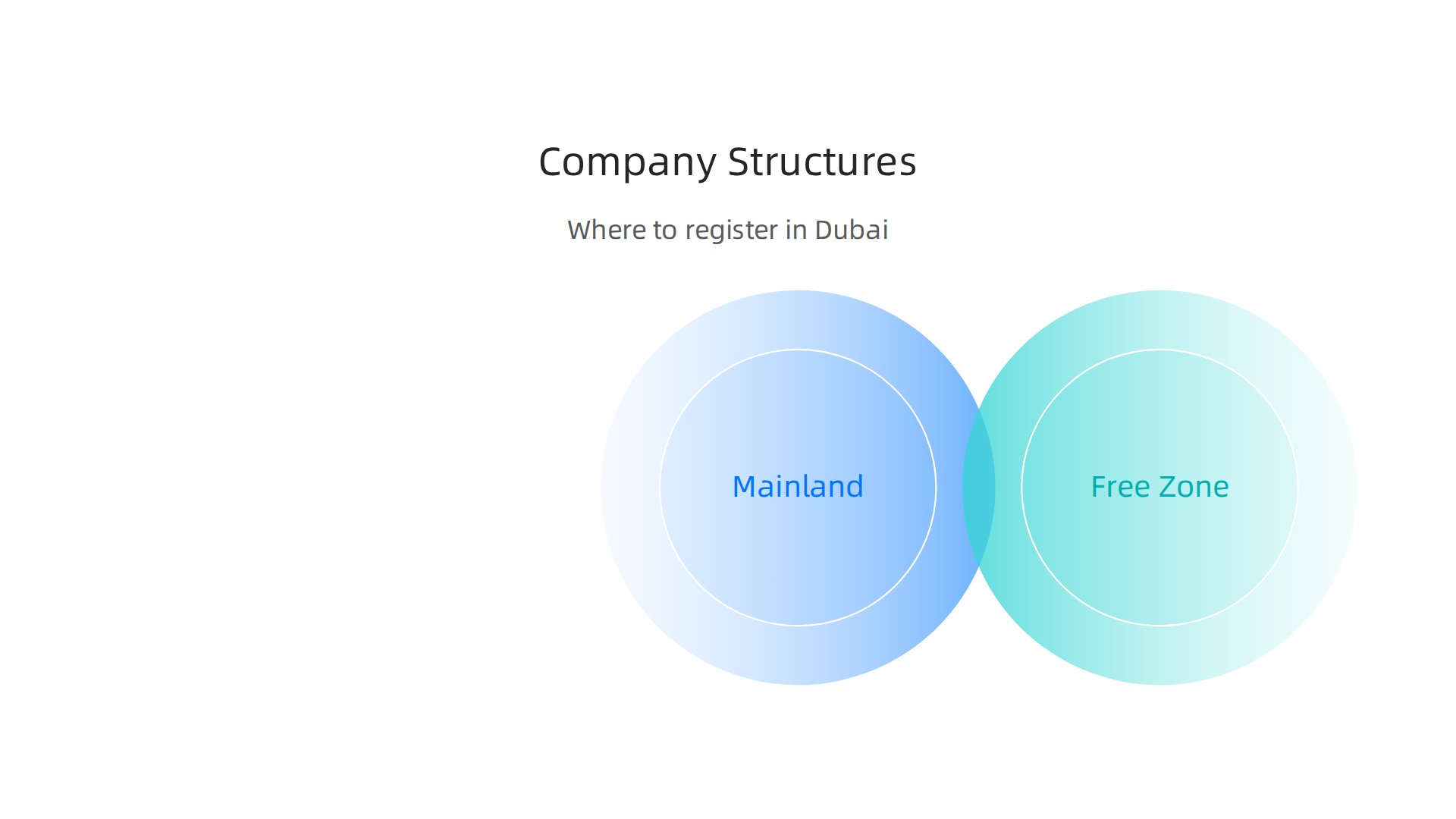
Each has its own rules about where you register it and what you can do. Knowing the differences helps you make smart choices for your financial planning & wealth management.
Mainland Companies
Mainland companies are registered with the Department of Economy and Tourism (DET) in Dubai. They can do business anywhere in the UAE and even internationally. This means if your investment company also plans to run a business in Dubai, like a property management service or a shop, a Mainland company is a good fit. They can fully access the local market, and for many activities, foreigners can own 100% of the company, as noted in a Mainland vs Free Zone Comparison Dubai.
However, Mainland companies usually need a physical office, and they are subject to corporate tax if their profits go over a certain amount (around AED 375,000 in 2026). Registering one typically lets owners apply for residency visas, which can be a big plus for people looking to live in Dubai while managing their apartment investment and management company.
Free Zone Companies
Free Zone companies are set up in special areas in Dubai called Free Zones. Each Free Zone has its own authority that sets the rules. These companies are very popular with foreign investors because they offer great benefits like 100% foreign ownership and often 0% corporate tax for qualifying activities, as explained in a guide on UAE Business Structures 2026.
The main difference is that a Free Zone company is usually limited to doing business within its Free Zone or internationally, not directly in the wider UAE mainland. However, many Free Zone companies, especially those in financial hubs like DIFC, can own freehold property in designated areas of Dubai. They can also help owners get residency visas, making them a good choice for a financial investment company focused on property. For more on the market, check out the UAE real estate market 2026.
Offshore Companies
Offshore companies are different. They are registered in separate jurisdictions, sometimes outside the UAE, or in special "offshore" zones within the UAE, like Ras Al Khaimah (RAK ICC) or Jebel Ali Free Zone (JAFZA Offshore). These companies are often chosen for privacy and asset protection. They usually enjoy 0% corporate and personal income tax and offer full confidentiality regarding ownership and finances, as highlighted in a comparison of Key Differences between UAE Mainland, Free Zone & Offshore companies.
Offshore companies are great for holding assets like property but cannot do business within the UAE or provide residency visas for their owners. They don’t need a physical office in Dubai. This option is best for investors who want to keep their property assets separate and private, often as part of a larger financial planning & wealth management strategy, without needing to operate a business or live in the UAE.
Choosing the right structure depends on your goals: whether you want to live in Dubai, run a business, or just hold property for investment. It’s a big decision that impacts your taxes, privacy, and how you manage your property.
Are you looking for personalized advice on structuring your Dubai property investments?
FREE Dubai Real Estate Consultation
Your choice of company structure for an investment company Dubai impacts more than just where you register it. It also deeply affects your taxes, how you can get money to buy property, and ultimately, how much profit you make. This is a very important part of your overall financial planning & wealth management.

How Company Structures Affect Taxes
When you pick an investment company Dubai to buy property, it really changes how you handle taxes. For example, if you choose a Mainland company, it might have to pay corporate tax if its yearly profits are over AED 375,000. This tax is set at 9%, which is still lower than in many other countries. However, if you choose a Free Zone company or an Offshore company, you often benefit from 0% corporate tax for your investment activities, especially if your business is purely for holding assets or international trade. This can mean a big difference in how much money you get to keep from your rental income or when you sell your property. It’s a key part of your financial planning & wealth management.
It’s true that the UAE does not have personal income tax. So, if you own property as an individual, you wouldn’t pay personal income tax on your rental earnings. But using an investment company Dubai can offer other important benefits. These include better asset protection, which means your property is safer from future issues, and more privacy for your financial details, especially with an Offshore company. A guide to Freezone vs Mainland: Buying Dubai Property Guide 2025 explains more about these choices. So, you need to think about tax savings along with other goals like privacy or keeping your assets safe.
Influence on Financing and Mortgages
Getting a loan or mortgage for your property in Dubai also changes a lot based on your company type. If your financial investment company is a Mainland company, it’s generally easier to get a mortgage from local banks. Banks often see Mainland companies as more connected to the local economy and thus less risky for loans. This can sometimes lead to better rates or easier approval.
For Free Zone companies, getting a mortgage is possible, but banks might ask for more paperwork or have specific rules. For example, the property usually needs to be in a freehold area where the Free Zone company is allowed to own. It’s not as straightforward as with a Mainland company. For details on these differences, a Free Zone vs Mainland vs Offshore Dubai (2026 Guide) can be very helpful.
But if you use an Offshore company for your apartment investment and management company, getting a traditional mortgage in the UAE is often very hard, sometimes not even possible. These companies are mainly for holding assets and keeping things private, not for getting local bank loans for the property itself. This means you would likely need to buy property with cash or use financing from outside the UAE.
Impact on Overall Returns
Finally, the company structure can also affect your actual returns. While Free Zone and Offshore companies might offer big tax benefits, they also have their own costs. You’ll need to pay for company setup, yearly renewal fees, and sometimes audit costs. These ongoing costs can lower your overall profit, so they need to be a big part of your financial planning & wealth management calculations. You might save on taxes but spend more on running the company.
On the other hand, if a Mainland company helps you get a better mortgage rate or easier access to financing, that could actually boost your returns. Getting a loan with lower interest means you pay less over time. You have to look at the full picture: how much you save on taxes, what the setup and running costs are, and how easy it is to borrow money. Every choice makes a difference in your final profit from your Dubai property.
Every choice makes a difference in your final profit from your Dubai property. Once you have picked the best company type for your goals, it’s time to make sure everything else is in order. This means doing all your homework, often called due diligence.
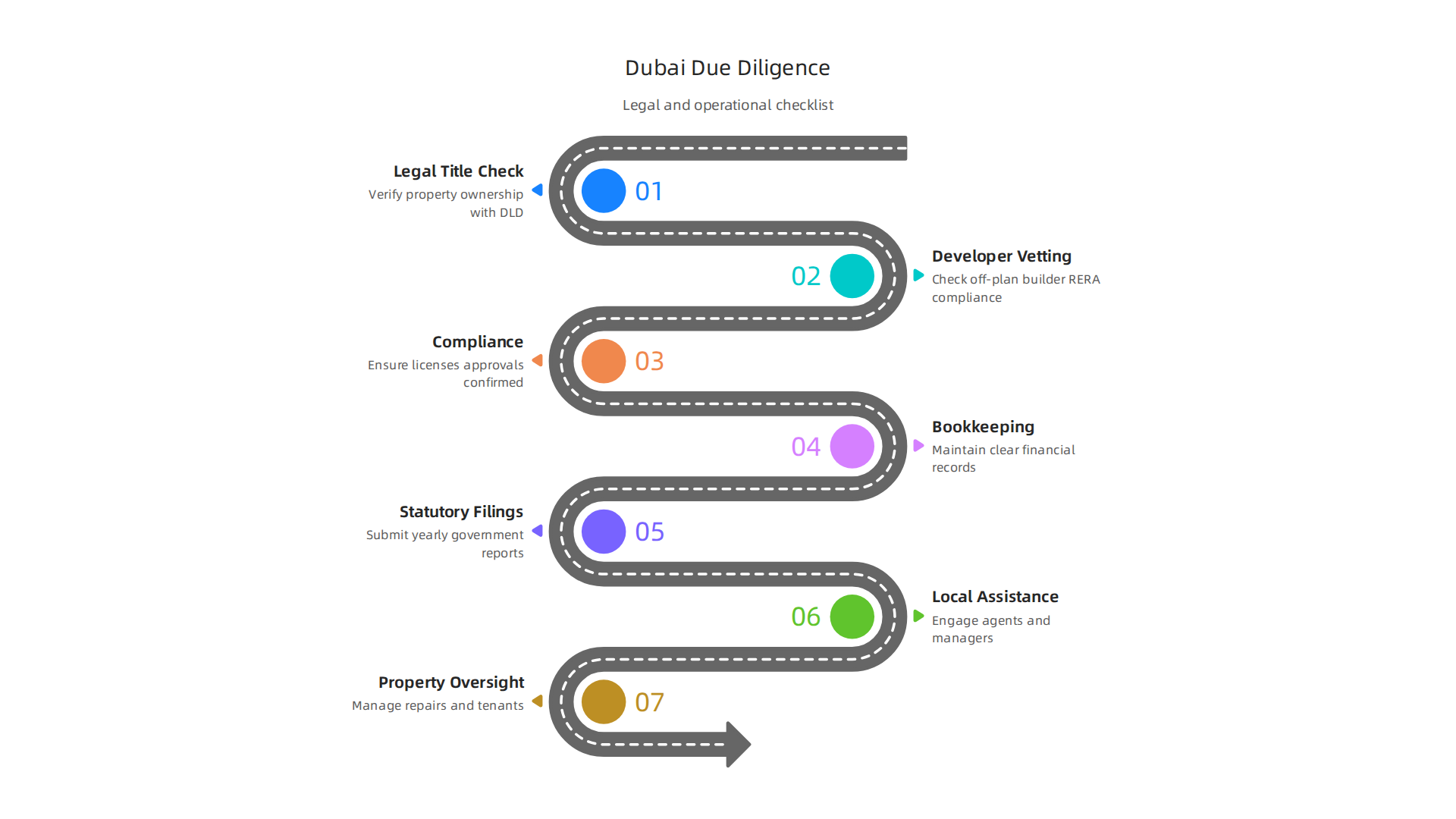
It’s about looking into all the legal steps, making sure you follow the rules, and planning for daily tasks. This careful check helps keep your money safe and your property plans running smoothly. It’s a very important part of your financial planning & wealth management.
Legal and Regulatory Steps
Here are the important legal and rule-based steps you need to take:
- Check the Property’s Papers: You must make sure the property you want to buy truly belongs to the seller. This is called a legal title search. You’ll check with the Dubai Land Department (DLD) to confirm that all the property details are correct and there are no hidden problems.
- Look Into the Developer: If you’re buying a property that is still being built, known as "off-plan," it’s super important to check the developer. Are they known for building good homes on time? Do they follow all the rules set by RERA (Real Estate Regulatory Agency)? In 2026, many projects might face delays. It’s wise to check their past projects’ delivery dates to see if they often deliver on schedule or if they have long delays. A helpful guide for this is the Off Plan Dubai 2026 Buyer Due Diligence Guide.
- Approvals and Rules (Compliance): Make sure your chosen investment company Dubai follows all the local rules. This means having the correct licenses for your business. This is especially true if you are setting up a real estate financial investment company. You also need to confirm that the property itself has all the required government approvals.
Operational Tasks for Your Investment Company
After all the legal checks, there are also daily tasks to think about, especially if you have an apartment investment and management company.
- Keeping Good Records (Bookkeeping): Your company needs to keep clear records of all money coming in and going out. This helps with taxes and shows exactly how well your investment is doing. Even if your company is in a Free Zone with 0% corporate tax, keeping good records is still a must.
- Sending in Papers (Statutory Filings): You will need to send certain reports and forms to the government each year. This is called statutory filing. It makes sure your company stays active and follows all the legal requirements. The type of company you have, such as Mainland, Free Zone, or Offshore, will affect which papers you need to file. For instance, the UAE Business Structures 2026: Mainland vs Free Zone vs Offshore comparison shows these different requirements.
- Working with Local Help: You will likely need local help. This could be a local agent or a company that manages your property for you. They can help with things like finding tenants, collecting rent, and fixing problems. Building good relationships with these local helpers is very important for smooth operations.
- Property Management: This is about taking care of your property every day. It includes things like making repairs, doing regular maintenance, dealing with tenants, and making sure the property stays in good shape. Many investors choose to hire a property management company to handle all of this for them.
All these steps, from legal checks to daily operational tasks, are key to making your Dubai property investment a success. They help ensure your money grows safely and easily.
If you are looking for personalized guidance to navigate these complex steps for your Dubai property investments, consider connecting with an expert.
FREE Dubai Real Estate Consultation
After checking all the boxes for legal papers and daily tasks, it’s time to talk about what can go wrong. Investing in Dubai property, especially through an investment company Dubai, comes with its own set of risks. Knowing these risks helps you protect your money and plan better.
Risk management: off-plan projects, developer risk, and exit strategies
One of the biggest risks, especially in 2026, is with "off-plan" properties. These are homes that are still being built.
You buy them before they are finished.
What are the main risks?
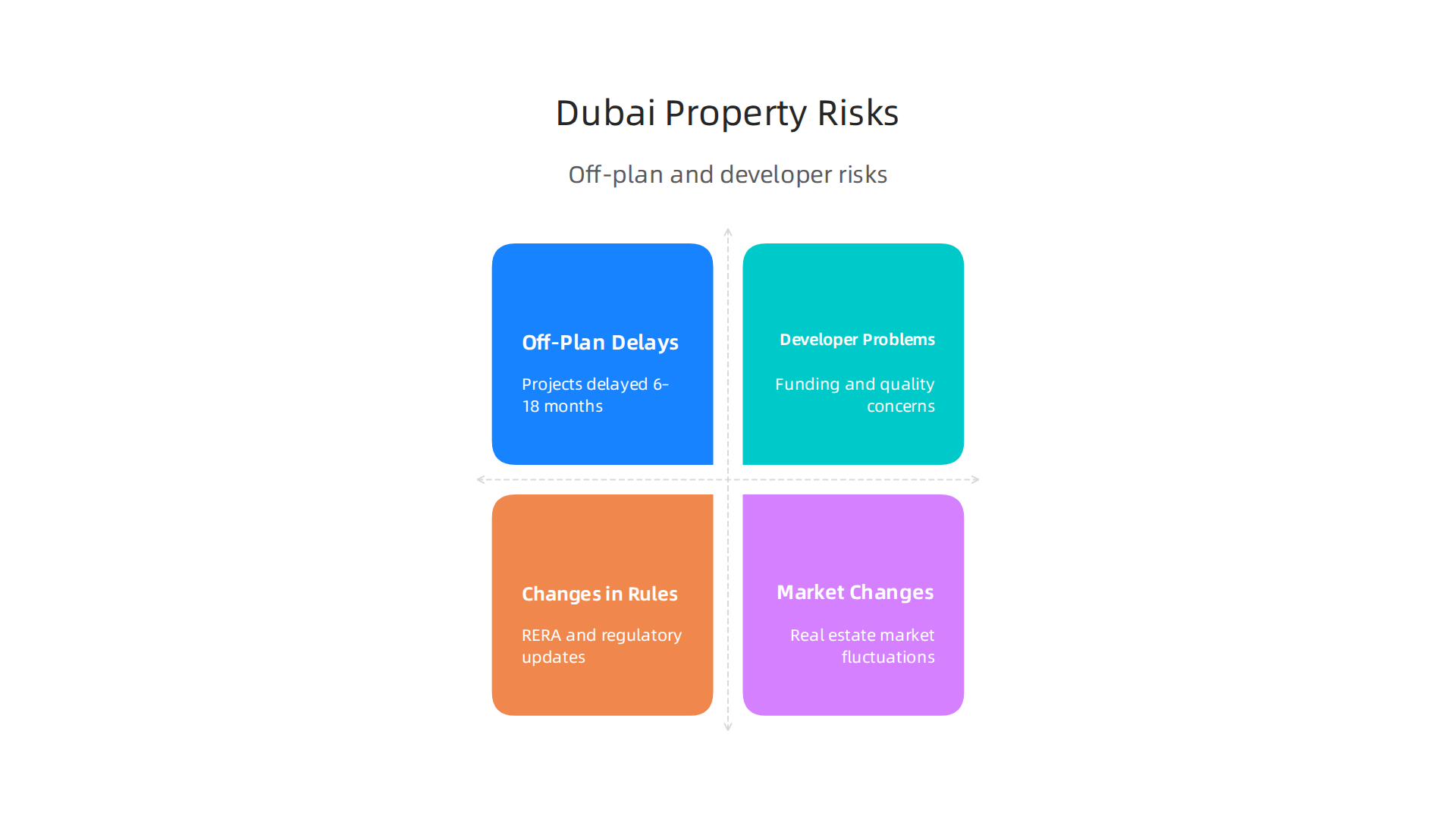
- Off-Plan Project Delays: This is a very common problem. Many off-plan projects in Dubai face delays. Some reports show that up to 20% of projects might be delayed by 6 to 18 months due to issues like not enough workers, material delays, or slow government approvals. In 2025, nearly half of scheduled units were not delivered on time, and similar trends continue into 2026, even for well-known builders. It is a main concern for any financial investment company looking into this market.
- Developer Problems: Not all developers are equal. Some are very reliable, while others might struggle with money or not finish projects well. If a developer has funding problems, your off-plan project could be affected. It’s smart to check a developer’s history. See if they usually finish projects on time or if they often have big delays of 18 months or more, as this can be a big warning sign. Looking into the Developer Reliability Issues is very important.
- Changes in Rules (Regulatory Shifts): Sometimes, government rules can change. While Dubai’s Real Estate Regulatory Agency (RERA) has made rules stronger to protect buyers of off-plan properties, it is always a good idea to stay updated. For example, RERA now requires developers to have 50% of construction funds in special escrow accounts before they can start selling homes. This helps ensure the money is there to finish the building.
- Market Changes: The real estate market can go up and down. What seems like a good investment today might not be tomorrow. Having an apartment investment and management company means you need to watch market trends closely.
How to protect your investment
There are smart ways to lower these risks for your corporate investment:
- Check Escrow Accounts: Always make sure the off-plan project you are investing in has a proper escrow account. This is a special bank account where your money is held safely until building work is done. This protection is a key part of Dubai 2026 Property Forecast: Off-Plan Risk vs Reward Analys.
- Strong Contracts (Warranty Clauses and Guarantees): Your buying agreement, called a Sales and Purchase Agreement (SPA), should include clear rules for what happens if there are delays. It should state when you can get compensation or even cancel the deal if delays are too long. Some contracts include a "grace period" for delays, typically 6 to 12 months.
- Deep Developer Research: Before putting any money down, thoroughly research the developer. Look at their past projects, how quickly they delivered them, and what people say about their quality. Checking their RERA registration status is also vital. You can learn more about vetting Dubai’s biggest real estate companies for investment success.
- Have an Exit Plan: It’s smart to think about what you would do if the investment doesn’t go as planned. This means having a clear idea of how you would sell the property if needed. This type of thoughtful financial planning & wealth management is key for any large investment.
By being aware of these risks and taking steps to avoid them, your Dubai property investment can be much safer and more likely to grow.

After making sure your investment is safe, the next step is to think about how you will manage it every day. When an investment company dubai holds property, there are special things to consider for property management, finding tenants, and keeping good records. This helps everything run smoothly and keeps you updated on your money.
Operational considerations: property management, leasing, and reporting
Owning property through a company means you need a clear plan for how that property will be handled. This includes dealing with tenants, keeping the property in good shape, and making sure all financial records are correct.
How a company affects property management
When your property is owned by an investment company, the company is the landlord. This changes how leasing contracts and property management agreements work. Instead of you as a person, the company signs these papers.
It is very common for companies to hire a specialized team to manage their properties. This is where an apartment investment and management company comes in. These firms handle everything from finding tenants to fixing things that break. In Dubai, property management companies must be licensed by authorities like the Real Estate Regulatory Agency (RERA). This helps make sure they follow the rules and protect your investment, as explained in the Rules and Regulations for Property Management Companies. When you choose such a company, it is important to find one that fits your needs. You can learn more about how to choose your dubai property agency for investment success.
A good property manager will:
- Find and screen tenants carefully.
- Draft clear leasing contracts.
- Collect rent on time.
- Handle maintenance and repairs.
- Communicate with tenants regularly.
These steps are key to keeping your property rented and in good condition, which helps your investment grow.
Important financial and reporting practices
Transparency is very important, especially when a financial investment company holds property. Investors need to see exactly how their money is being used and how the property is performing.

This means keeping excellent records and reports.
Key practices for corporate reporting and accounting include:
- Fund Separation: A big rule in the UAE is to keep money from property owners and tenants separate from the property management company’s own money. This includes security deposits and rental income. This helps protect everyone’s funds and is a main point in Property Management Accounting in Dubai and the UAE.
- Clear Financial Statements: Your property management company should give you regular, easy-to-understand financial reports. These reports should show how much money came in (from rent) and how much went out (for repairs or fees). They might also include details on how many units are rented and what repairs were done.
- Good Governance: This means having clear rules about who makes decisions for the company and how often they share information with investors. This makes sure that your investment company is run well and that you are always in the loop.
Following these practices helps build trust and makes sure your investment meets all legal requirements. Good financial planning & wealth management means staying on top of these operational details.
If you are looking to buy, sell, rent, or invest in Dubai property and need expert guidance, do not hesitate.
FREE Dubai Real Estate Consultation
After understanding how your investment company dubai will handle daily property tasks, the next big step is finding the right people to help you. Investing in Dubai real estate through a company can be a great idea, but it has its own set of rules. You need good advice to make smart choices. This means picking the best legal, tax, and property experts. Having a clear plan, or "decision roadmap," will also help you every step of the way.
How to choose advisors and build a decision roadmap
Making big investment choices needs help from people who know a lot. This is especially true when your money is held by a financial investment company. You will want experts who know all about Dubai’s property rules and how companies work here.
Choosing your expert team
When picking advisors for your property investment, look for people who have lots of experience in Dubai. They should be clear about what they do and how much they charge.
- Property Advisors: These are like your guides in the real estate market. They help you find properties, understand prices, and see what’s trending. It is super important to pick one who is licensed by the Real Estate Regulatory Agency (RERA) in Dubai. Make sure they know the local market well and have good reviews from other clients. You can read more about How to Choose the Right Property Advisor in Dubai. A good property advisor helps ensure your apartment investment and management company makes wise choices.
- Legal Advisors: You’ll need a lawyer to help set up your company and make sure all your property contracts are correct. They will guide you through Dubai’s laws and help you understand what you can and cannot do. This prevents problems later on.
- Tax Advisors: Even though Dubai has low taxes, a tax expert can help you understand any rules that apply to your company and your property earnings. They make sure you follow all the financial guidelines.
Finding trustworthy advisors is key to success. You want people who are transparent and have a strong history of helping investors. For more tips on this, learn how to choose the best property investment advisor Dubai for smart growth.
Your investment decision roadmap
A clear roadmap helps you see the whole journey, from start to finish. Here are the main steps for your investment company dubai:
- Feasibility Study: This is like checking if your idea is good before you start. You and your advisors will look at different properties and areas in Dubai. You’ll ask questions like, "Is this property likely to make money?" and "How much might it cost?"
- Structuring: This is where you set up your company in Dubai. Your legal advisor will help you decide the best way to own the property through your company. They will handle all the paperwork to make it official.
- Acquisition: This is the exciting part where you actually buy the property. Your property advisor helps with finding the right place and negotiating the price. Your legal team makes sure the purchase contract is fair and correct.
- Operation: Once you own the property, this step is about managing it day-to-day. As we talked about earlier, this includes finding tenants, collecting rent, and keeping the property in good shape. Your property management team handles this.
- Exit Strategy: This means thinking about how you might sell your property in the future. Having a plan early helps you know when the best time to sell might be, and how to do it smoothly to get the most money back from your investment. This is part of good financial planning & wealth management.
Following this roadmap, with the right team of experts, will help you make confident and successful real estate investments in Dubai.
Summary
This guide explains how using an investment company to hold Dubai property can simplify cross‑border investing and protect your capital. It covers the three main company types — Mainland, Free Zone and Offshore — and shows how each affects taxes, financing, privacy and residency. The article walks you through key legal and operational steps: verifying title, vetting developers, escrow protections, statutory filings and ongoing bookkeeping. It highlights primary risks such as off‑plan delays and developer failure, and gives practical mitigation steps like strong contracts, escrow checks and exit planning. You’ll also learn how company choice changes mortgage access and overall returns, plus what to expect from property managers and reporting requirements. Finally, the guide shows how to choose legal, tax and property advisors and follow a clear decision roadmap from feasibility to exit.