Invest in Dubai Asset Real Estate 2026: Maximize Your Portfolio

Why Dubai asset real estate belongs in a diversified portfolio in 2026
In 2026, Dubai stands out as a top spot for smart investors around the world.
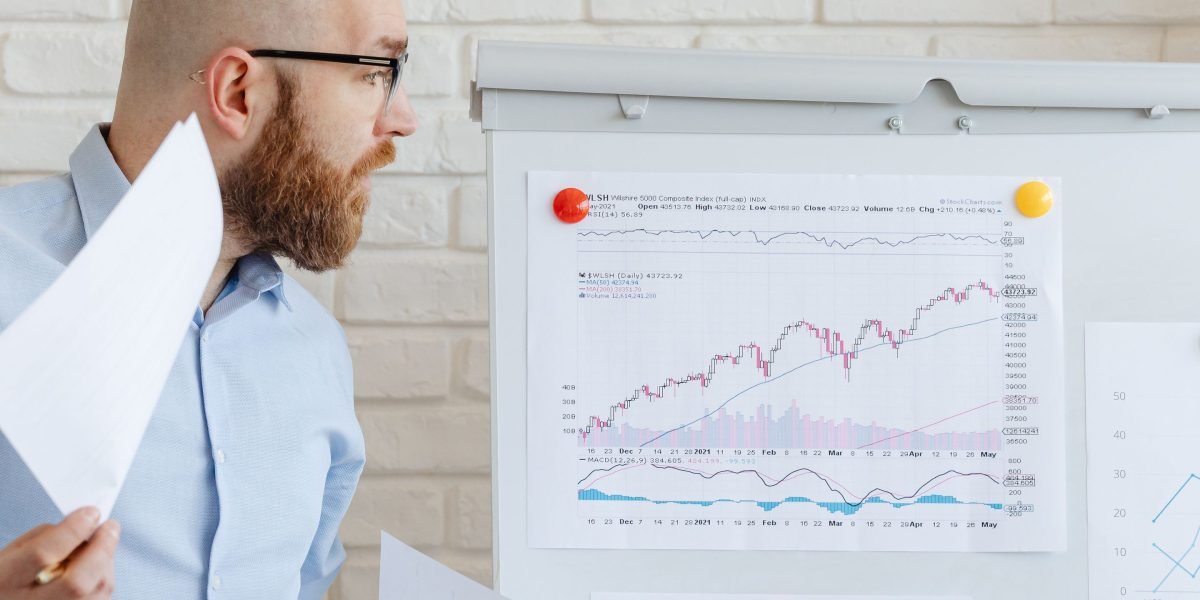
The city’s lively market for asset real estate offers special chances for those looking to grow their money. This includes wealthy individuals, people who live and work abroad, and large companies. They all see Dubai as a key place to put their money, making it a great place for foreign direct investment.
The Dubai real estate market has shown strong performance. For example, in the first half of 2026, property sales reached a huge AED 221.4 billion, showing continued high demand from buyers Dubai Housing Market 2026: Mid-Year Review & Outlook. This strong interest has helped residential property prices in the UAE go up by 15.60% over the year United Arab Emirates’ Residential Property Market Analysis 2026.
Putting asset real estate in Dubai into your investment portfolio can be a smart move. It helps to spread out your risks and aim for good returns. This guide will help you understand why Dubai is a great place for investment and how to make the best choices. You can also explore a more detailed look at the UAE real estate market 2026: Your data-backed investment roadmap.
In this guide, you will learn all the important things about investing in Dubai. We will cover:
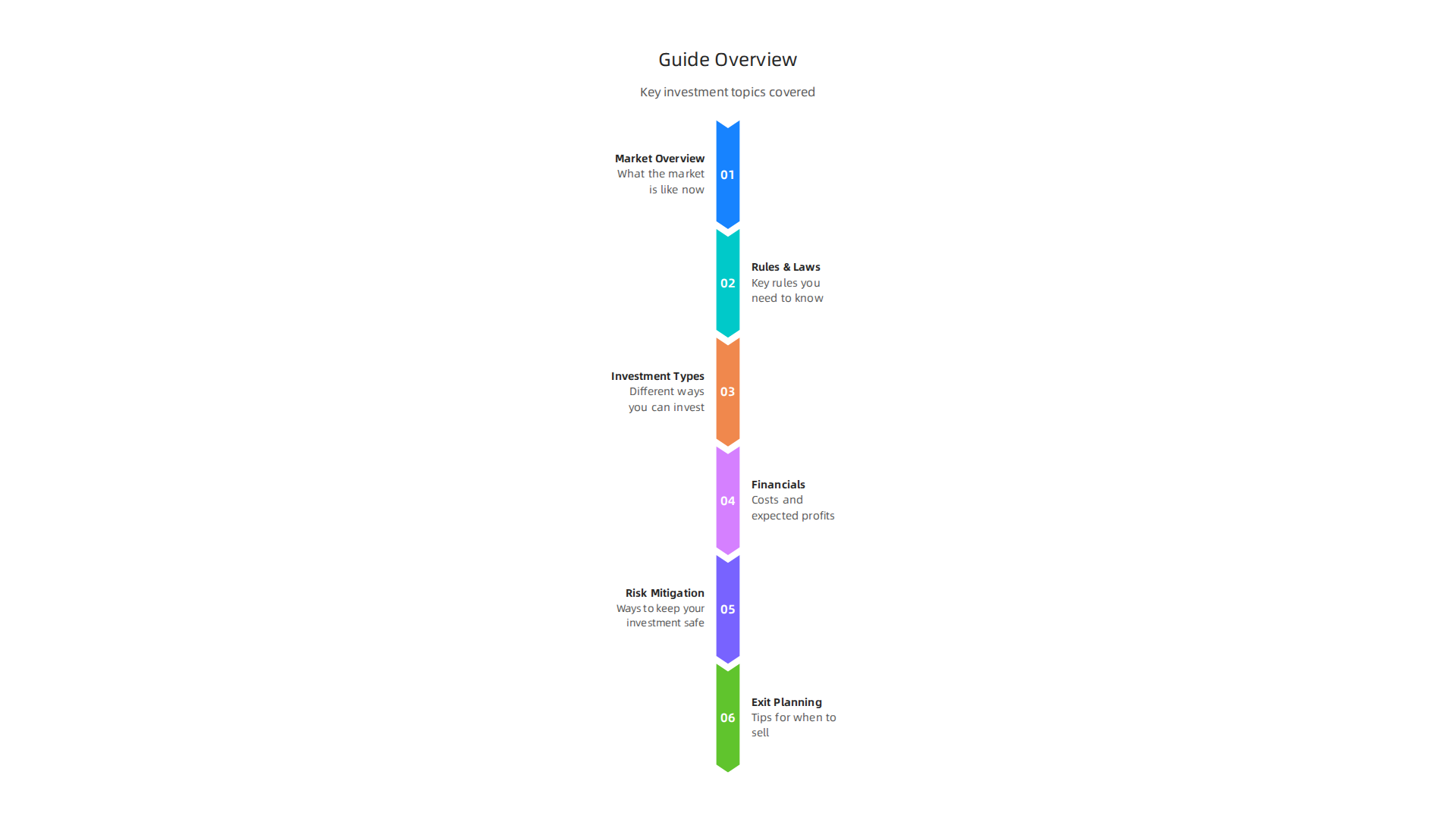
- What the market is like right now in 2026.
- The key rules and laws you need to know.
- Different ways you can invest, like buying ready homes or new projects.
- How to look at the money side of things, like costs and expected profits.
- Ways to keep your investment safe and avoid problems.
- Tips for when you might want to sell your property.
Our goal is to give you clear information to help you in the management of investment portfolio in Dubai.
Ready to take the next step in understanding Dubai’s property market? Connect with an expert today.
FREE Dubai Real Estate Consultation
1. Dubai Market Overview: Scale, Demand Drivers and Recent Trends
The real estate market in Dubai continues to grab the attention of investors worldwide in 2026. It’s a big market that keeps growing, drawing in many different kinds of buyers. From wealthy individuals to large companies, people see Dubai as a safe and profitable place to put their money. This makes it a top spot for foreign direct investment in asset real estate.
Looking at the numbers for 2026, the market shows strong activity. For example, by the end of March 2026, the total value of real estate deals recorded by the Dubai Land Department (DLD) reached an impressive AED 252 billion Dubai Real Estate Market Data 2026. While there might be small ups and downs month to month, the general trend for property prices has been upward. For instance, in April 2026, the Dubai City Index hit a new record high for residential properties Dubai Residential Hits Record High in April 2026 – LinkedIn. Even with some ups and downs, the market shows strong underlying health. After a slight dip in sales in May, transactions bounced back sharply in June, with overall sales volume rising by 35% compared to the previous month Dubai Real Estate Market Report — June 2026.
What makes Dubai’s real estate market so strong? There are a few key reasons:
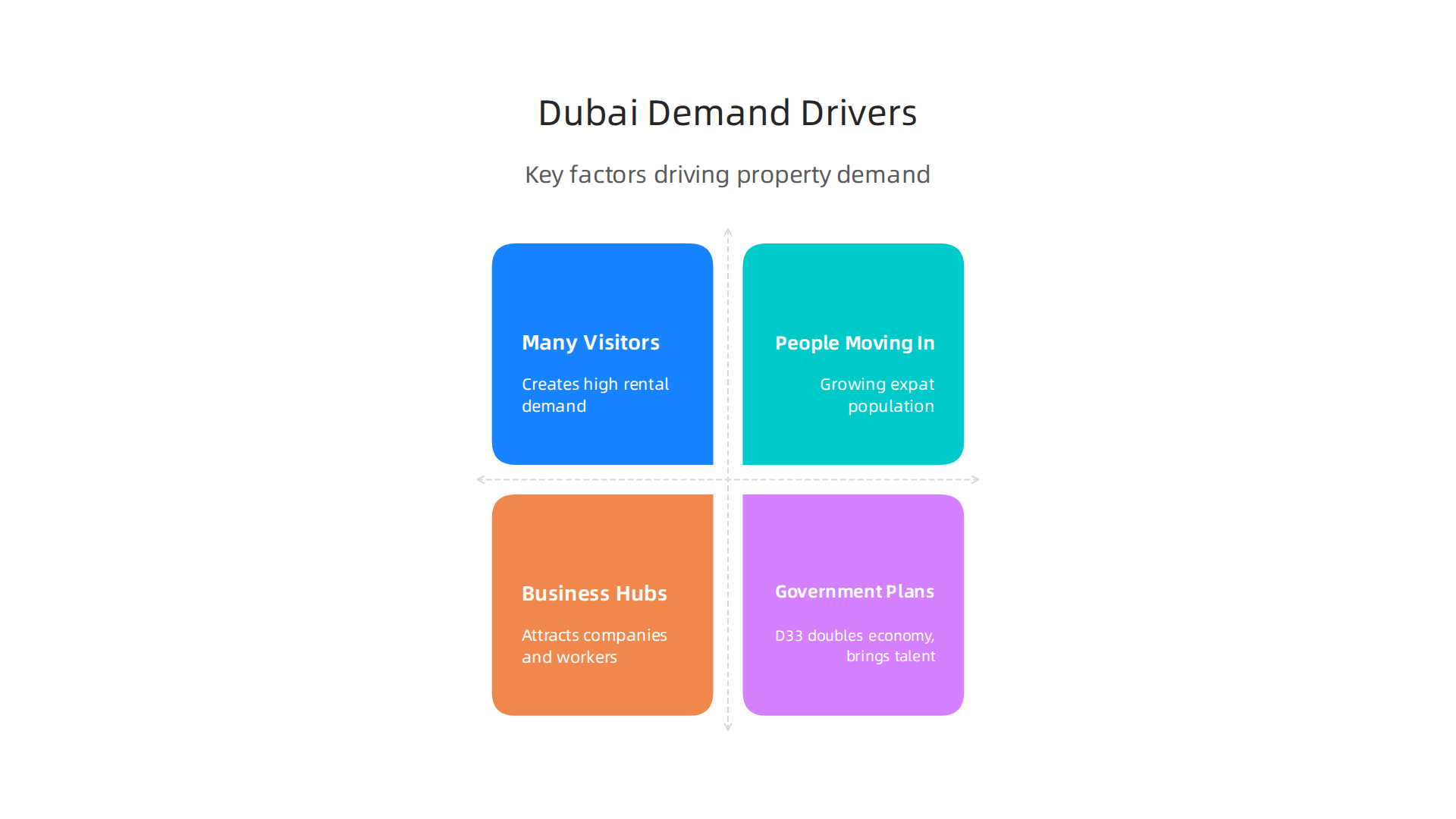
- Many Visitors (Tourism): Dubai is a world-famous travel spot. Millions of tourists visit each year, which means there’s a big need for places to stay, like hotels and holiday rentals. This strong tourism helps keep rental demand high for all kinds of properties.
- Lots of People Moving In (Expatriate Population): People from all over the globe move to Dubai for work and a good lifestyle. This constant flow of new residents means there’s always a need for homes to rent or buy. This growing population is a big driver for the demand for asset real estate.
- A Place for Business (Business Hubs): Dubai works hard to be a global center for business. It offers easy rules for companies and has many special "free zones" where businesses can set up easily. This brings in more companies and their workers, further increasing the number of people living and working in the city. This also encourages more foreign direct investment.
- Government’s Big Plans (Government Economic Strategies): The government plays a huge role in keeping the market strong. They have big plans, like the Dubai Economic Agenda D33, which aims to double the city’s economy in the next ten years. These plans help bring in more money and talent, making Dubai a stable and attractive place for long-term investments. Such clear plans help with the overall management of investment portfolio strategies.
All these things together create a solid base for the Dubai property market. They ensure a steady demand for homes and offices, which is great news for anyone looking to invest in Dubai asset real estate. For more details on smart buying, explore our guide on Dubai real estate investment 2026 proven strategies and market data for buyers.
After seeing how much the Dubai market is growing, the next big step is to understand the rules for buying property there. This is super important for anyone looking into asset real estate in Dubai. The good news is that Dubai has clear laws that make it easy for people from other countries to invest.
Ownership Types: Freehold vs. Leasehold
When you want to buy property, you will mainly hear about two types of ownership: freehold and leasehold.
- Freehold Ownership: This is like owning a piece of property forever, including the land it sits on. If you buy a freehold property, you get full rights to sell it, rent it out, or even pass it down to your children. Foreigners can own freehold property, but only in special areas that the Ruler of Dubai has set aside for this purpose, called "designated areas" Freehold vs Leasehold in Dubai: DLD Registration (2026). This means you truly own the asset real estate outright. Many of the newer, popular developments in Dubai offer freehold ownership to attract foreign direct investment.
- Leasehold Ownership: This means you get the right to use and live in a property for a very long time, often up to 99 years, but you don’t actually own the land itself Expatriates buying a property in the UAE. It’s more like a very long-term rental agreement. Once the lease period ends, the property goes back to the original landowner.
For most foreign investors, freehold properties in the designated areas are usually the preferred choice because they offer full ownership and control, which is great for long-term investment portfolio goals. To learn more about specific ownership rules, you can check out a detailed guide on Freehold vs Leasehold Dubai 2026: Complete Ownership Guide.
Where Can Foreigners Buy? (Ownership Zones)
As mentioned, foreign ownership of freehold property is limited to specific "designated areas" or "investment areas" in Dubai. These areas are chosen by the government to encourage investment and growth. Outside these areas, foreign nationals might be able to get leasehold rights, but not full freehold ownership. Always confirm if a property is in a designated freehold zone before you invest. This is a crucial step in the effective management of investment portfolio in Dubai.
Legal Steps for Investors
Once you decide to buy, there are important legal steps you need to follow:
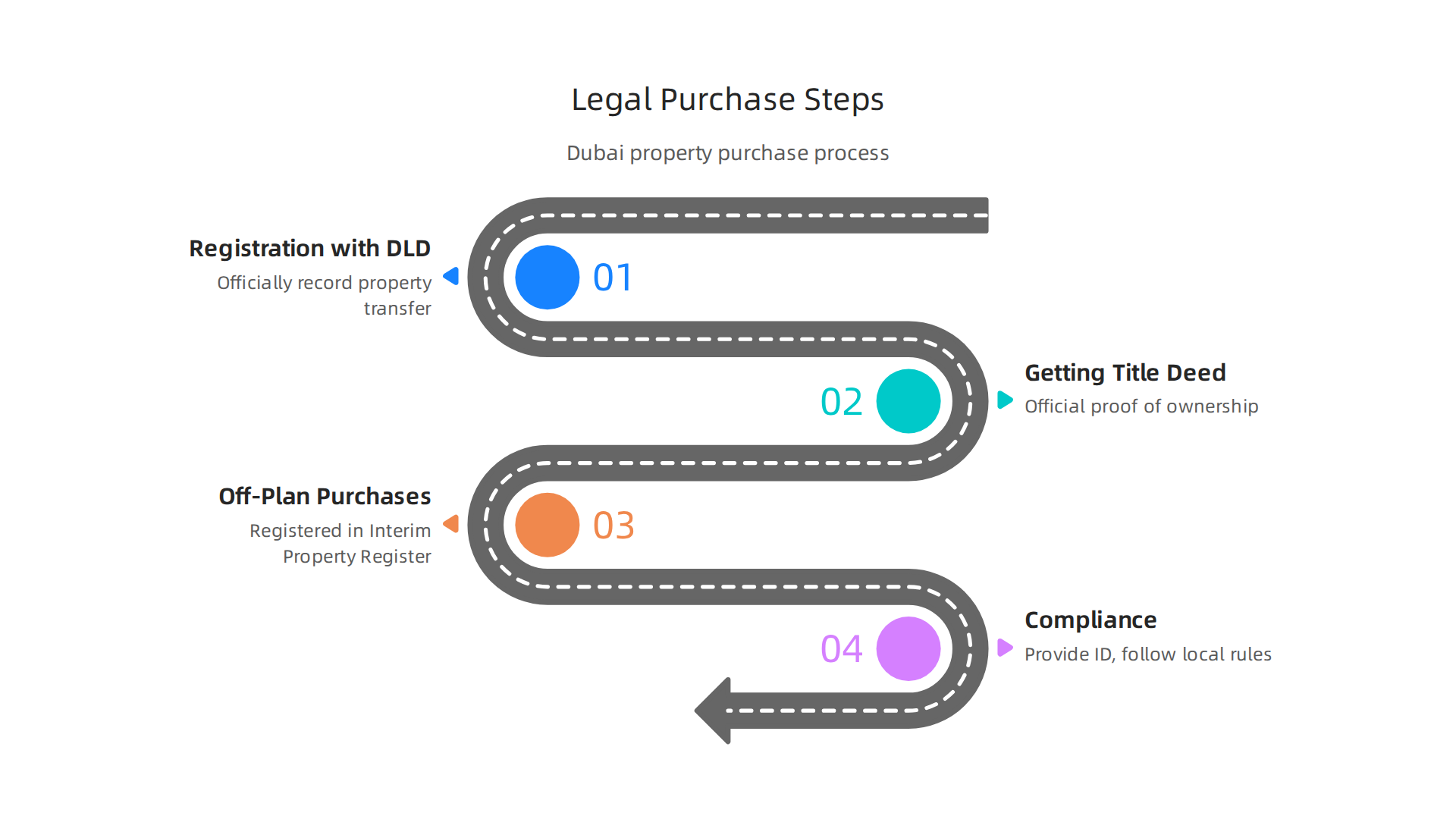
- Registration with DLD: Every property transfer in Dubai must be officially recorded with the Dubai Land Department (DLD) Real Estate 2026 – Chambers Practice Guides.
This is the main government body that handles all property matters. This ensures your ownership is legal and protected.
2. Getting the Title Deed: After registration, the DLD will give you a title deed. This is the official document that proves you own the property. Keep it safe.
3. Off-Plan Purchases: If you are buying a property that is still being built (called "off-plan"), your purchase will be registered in an "Interim Property Register" until the building is finished DUBAI REAL ESTATE LEGISLATION. This protects your investment even before the property is complete.
4. Compliance: You will need to provide identification documents and follow all local rules. Working with an expert can make sure everything is done correctly.

Understanding these legal details can feel a bit complex, especially for new investors. That’s why many people choose to work with local experts who know all the ins and outs. This can save you time and help protect your investment.
Need personalized guidance on navigating Dubai’s property laws or finding the right asset real estate for your goals?
Connect with Ayaz Salman for a FREE Dubai Real Estate Consultation.
After understanding the legal steps, it’s time to look at the different kinds of properties you can invest in. Choosing the right type of asset real estate is key for your investment plans in Dubai. You can pick from ready homes, properties still being built (off-plan), or even business spaces.
Ready Properties
Ready properties are homes or buildings that are already finished. You can move into them right away or rent them out to people looking for a place to live. This means you can start earning money from rent very quickly. It’s often seen as a safer choice because you can see the property before you buy it. You know exactly what you’re getting.
The good things about ready properties are:
- You get money from rent right away.
- You can get a full mortgage for the property.
- There’s no risk of construction delays.
However, ready properties usually cost more upfront. If you want to earn immediate rental income, this type of asset real estate could be a good choice for your Ready to Move In Property Dubai Earn Immediate Rental Income in 2026.
Off-Plan Properties
Off-plan properties are homes or buildings that are still under construction. You buy them from the developer before they are finished. This kind of investment often lets you pay over time, following a plan set by the builder.
The good things about off-plan properties are:
- They often have lower prices than ready homes, sometimes 10% to 30% less Off-Plan vs Ready Dubai Property: 2026 Comparison – REMAP.

- You get flexible payment plans, meaning you don’t have to pay everything at once.
- The value of the property can go up while it’s being built, giving you a chance for bigger profits when it’s done Off-Plan vs Ready Property in Dubai: 2026 Guide. This can be great for building your
investment portfolio.
But there are some things to watch out for with off-plan properties:
- There might be delays in finishing the building.
- Sometimes, what you get might be a little different from what was first shown.
- Selling an off-plan property before it’s finished can be harder UAE Property: ‘What are the advantages and risks of buying off-plan ….
Even with these risks, Dubai has rules to protect buyers of off-plan properties, like using special bank accounts for your payments Is Off-Plan Property Safe in Dubai? Risks & How to Protect …. This is important for careful management of investment portfolio.
Commercial and Other Assets
Beyond homes, Dubai also offers other kinds of asset real estate for investors. These include:
- Commercial Properties: These are spaces for businesses, like offices or big buildings used by companies. They can offer good rental returns from businesses.
- Retail Properties: These are shops or stores in malls and shopping centers. Investing in retail can be strong if the area gets many visitors.
- Industrial Properties: These include warehouses or factories. They are often rented out to businesses that need space for making or storing things.
These different types of properties can help diversify your investment portfolio and attract foreign direct investment. Each one has its own benefits and risks, depending on your goals and how much money you want to invest. Looking into these options can give you a well-rounded view of the Dubai real estate market.
Now that you know the different kinds of asset real estate you can invest in, it’s time to think about where in Dubai you want to buy. Dubai is a big city with many different areas, and each one can be quite unique. Picking the right neighborhood, also called a micro-market, is super important for your investment success. It’s not just about what kind of property you buy, but also where it sits.
4. Choosing neighborhoods and asset types: micro-market selection
When you are looking for an asset real estate in Dubai, you should think about a few key things in any neighborhood:
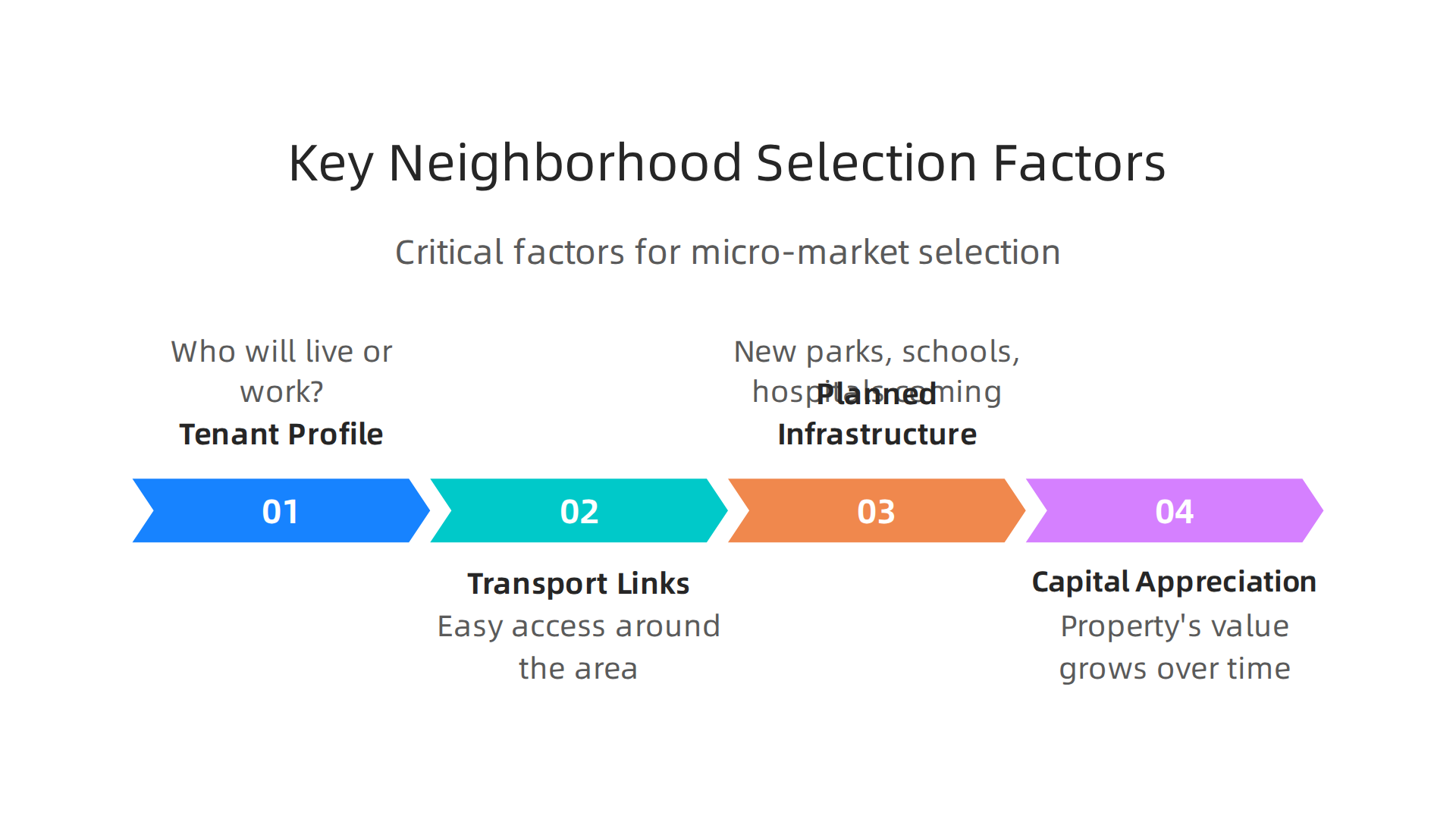
- Tenant Profile: Who will live or work in your property? Is the area good for families, young professionals, or tourists? For example, an area close to good schools might attract families, while a place near business centers is better for office workers. Knowing your target renter helps you choose a property that will be easy to rent out and give you steady income.
- Transport Links: How easy is it to get around from this area? Good transport, like metro stations, bus stops, or main roads, makes a neighborhood more attractive. Easy access means more people will want to live there, which can push up rental prices and the value of your property. Strong transport links are known to improve property value and demand in Dubai How Infrastructure Drives Property Appreciation.
- Planned Infrastructure: Look at what new things are planned for the area. Are there new parks, schools, hospitals, or roads coming? These future projects can make an area much more desirable and boost your
investment portfolioin the long run. Places with new infrastructure often become popular residential hubs Top Infrastructure-Driven Residential Hubs in the UAE for Property Investment. - Capital Appreciation Potential: This means how much the property’s value is likely to grow over time. Areas with new developments, good transport, and a growing number of people often have higher potential for their property values to go up. This is because demand for these areas increases as they get better. Actually, good infrastructure is now driving demand more than just the location itself Why Infrastructure Led Growth Is Replacing Location Only Demand.
Micro-Markets vs. Citywide Metrics
When you’re building a diversified investment portfolio, it’s easy to just look at overall numbers for Dubai. But the city is really a collection of smaller markets. A micro-market is a specific neighborhood or small area within the city. For example, Downtown Dubai is very different from, say, Jumeirah Village Circle. Each has its own prices, types of tenants, and growth rates.
Evaluating these micro-markets means looking at local details. Does the area have shops, restaurants, and entertainment nearby? Are there green spaces? Dubai even has a "20-minute neighborhood" idea, where you can reach most daily needs within a short walk or bike ride 20-Minute Neighbourhood Concept & Urban Property Value. Such ideas make areas very livable and attractive.
By focusing on these specific neighborhoods, you can make smarter choices for your asset real estate and improve the management of investment portfolio. You’re not just investing in Dubai, but in a specific part of Dubai with its own unique advantages. This detailed approach can help you find hidden gems and ensure good returns, possibly attracting foreign direct investment too. To get a better grasp of the broader picture, you might want to review the UAE real estate market 2026.
Navigating these choices can be tricky, but getting expert help makes it easier.
If you are thinking about buying, selling, renting, or investing in Dubai property, a chat with an expert can clear things up.
FREE Dubai Real Estate Consultation
After choosing a neighborhood, the next step is to understand the money side of things. This means looking closely at how much income your property might bring in and how much its value could grow.

This part is super important for how well your investment portfolio will do in Dubai.
5. Financials: realistic rental yields, capital appreciation and tax considerations
When you invest in asset real estate, you want to know what kind of money you can expect. This involves looking at rental income, how much your property’s value goes up, and any costs or taxes.
Figuring Out Your Rental Income
The first thing many people look at is the rental yield. This shows how much rent you get back compared to what you paid for the property.
Gross Rental Yield
This is the simplest way to look at it. You take the total rent you expect to get in a year and divide it by the price you paid for the property. Then you multiply by 100 to get a percentage. For example, if you buy a property for AED 1,000,000 and expect to rent it for AED 80,000 a year, your gross rental yield is 8%. You can find many calculators online to help with this simple math Dubai Rental Yield Calculator: How to Calculate ROI 2026. In 2026, Dubai properties generally offer 6% to 8% gross rental yield Dubai Rental Yield 2026: Real Returns by Area and Type.
Net Rental Yield
This is a more realistic number because it includes all the costs you have to pay as a property owner. To find the net rental yield, you first subtract your yearly costs from your annual rent. Then, you divide that new number by your property purchase price and multiply by 100. This is how you get a true picture of your earnings Dubai Real Estate ROI 2026 — What 8-10% Actually Means After ….
What kind of costs should you include?
- Service Charges: These are yearly fees for maintaining the building and common areas, like pools, gyms, and security. They can be anywhere from AED 12 to AED 25 per square foot.
- Vacancy Allowance: Your property might not be rented out all year. It’s smart to plan for some empty time, maybe 5% to 10% of the year, which means less income. A good guide might suggest planning for a 4-week vacancy period Calculating Rental Yield in Dubai: An Asset Manager’s Guide ….
- Maintenance: Things break or need fixing sometimes. You should set aside about 5% of your annual rent for small repairs.
- Property Management Fees: If you hire someone to manage your property, they usually charge about 5% to 8% of the annual rent.
- Other Costs: Don’t forget insurance, leasing fees, and maybe costs for furnishing the place if you want to rent it out fully furnished Dubai Rent Prices & Yields 2026: A Cash-Flow Guide for Real ….
By taking these costs into account, you get a much clearer idea of your actual profit. In 2026, net rental yields in Dubai typically range from 4.5% to 6% Dubai Rental Yield 2026: Real Returns by Area and Type.
Understanding Cash Flow
Cash flow is simply the money left over after all your expenses are paid each month. A positive cash flow means you have extra money coming in, which is great for the overall management of investment portfolio. This is crucial because it shows if your property is truly making you money on a regular basis.
Capital Appreciation: Property Value Growth
Capital appreciation is when the value of your property goes up over time. This is a big part of how you make money from your asset real estate investment. When you sell the property later for more than you bought it, that extra money is your capital appreciation. Areas with new buildings, better transport, and a growing population often see their property values increase more. This growth contributes significantly to your total return.
Total Return
Your total return is the sum of your net rental yield and your capital appreciation. It’s the full picture of how much money you made from your investment. This is what you should focus on for long-term success.
Tax and Cross-Border Considerations
One of the great things about investing in Dubai real estate is the tax benefits. As of 2026, Dubai (and the UAE) generally has:
- No income tax on rental income.
- No capital gains tax when you sell your property for a profit.
- No property tax (once the initial fees are paid).
This makes Dubai very attractive for investors looking to maximize their returns.
However, if you are an expat or a foreign company, you need to remember your home country’s tax rules. While you might not pay taxes in Dubai, your own country might still tax the income or gains you make from your foreign direct investment. This is called cross-border tax. It’s very important to talk to a tax advisor who understands both UAE and your home country’s laws. They can help you understand any possible taxes you might owe outside of Dubai. This information here is just a general guide and not tax advice. Always get expert help for your specific situation.
After understanding the money side of your investment, it’s just as important to think about how to keep your investment safe. This means looking at possible problems and making smart choices from the start. Taking steps to avoid risks is key for any asset real estate you buy in Dubai.
6. Risk mitigation and due diligence: off-plan risks, developer credibility and exit planning
When putting your money into Dubai property, you need to be careful. You want to make sure your asset real estate investment is as safe as possible. This means doing your homework and planning for the future.
Looking Closely at Off-Plan Risks
Buying a property "off-plan" means you buy it before it’s built or finished. This can offer good prices, but it also comes with special risks.
- Delays: The building might take longer to finish than promised.
- Changes: Sometimes, the plans for the property might change during building.
- Developer Issues: The company building the property might run into money problems or not be able to finish the project.
Because of these risks, doing your research on the developer is very important.
Checklist for Developer Due Diligence
Before you commit to an off-plan property, check these things about the developer:
- History: Look at their past projects. Did they finish them on time? Were buyers happy?
- Registration: Make sure the developer and the project are properly registered with the Dubai Land Department (DLD). This is a must for all real estate transactions in Dubai, including off-plan sales DUBAI REAL ESTATE LEGISLATION.
- Financial Stability: Try to find out if the developer is strong financially. Do they have enough money to complete the project?
- Reviews: Look for what other buyers say about them online or in local communities.
Contract Terms and Red Flags
Always read your contract very carefully. If you’re not sure, get help from a legal expert.
- Payment Plans: Understand how and when you need to pay. Are the payment steps clear and tied to building progress?
- Completion Dates: Check the expected finish date and what happens if there are delays.
- Penalties: What if the developer doesn’t meet their promises? The contract should state what happens.
- Red Flags: Be careful if a developer asks for a very large upfront payment without clear guarantees. Also, watch out for contracts with vague terms or too many clauses that protect only the developer. It’s important to understand the laws for foreign investors when buying property in Dubai, which help protect your investment Dubai Property Laws for Foreign Investors: Legal Guide 2026.
Planning Your Exit: Selling Your Property
Thinking about how you’ll sell your property later is a smart part of your investment portfolio strategy.
- Secondary Market: How easy is it to sell properties like yours in that area? Some areas have properties that sell faster than others. This is called secondary market liquidity.
- Lease Terms: If you plan to rent out your property, think about how long the lease terms are. A property with a tenant might be harder or easier to sell depending on the buyer.
- Legal Protections: Understand your ownership rights. In Dubai, foreigners can own property with full rights, known as freehold, in special "designated areas" Expatriates buying a property in the UAE. This gives you the right to sell, lease, or pass on your property as you wish Freehold vs Leasehold Dubai 2026: Complete Ownership Guide.
Having a clear exit plan helps you manage your investment portfolio better and makes sure your asset real estate can be sold when you’re ready.
If you’re buying, selling, renting, or investing in Dubai, getting expert help is always a good idea. Connect with Ayaz Salman for a FREE Dubai Real Estate Consultation.
7. Exit strategies, portfolio construction and long-term wealth planning
Once you’ve thought about how to keep your investment safe, it’s time to plan for the future of your asset real estate. This means thinking about how long you’ll keep the property, how it fits with all your other money, and how you might sell it or use it later.

How Long to Hold Your Property
The time you keep your property, called the holding period, is important. For instance, if you buy an off-plan property, meaning it’s still being built, you might hold it for a few years until it’s finished. These properties often appeal to those looking for good growth over time Off-Plan vs. Ready Property: A Complete Investment Comparison. On the other hand, if you buy a ready home, you can start earning money from rent right away. This choice affects if you aim for money from rent (rental income) or from selling it for more than you paid (capital gains).
Building Your Investment Portfolio
Your property in Dubai is just one part of your bigger financial picture, your investment portfolio. It’s smart not to put all your eggs in one basket. This means you should spread your money across different types of investments, not just real estate. Think about how your Dubai asset real estate works with your other investments. This is called diversification, and it helps manage risks. To make the most of your holdings, consider expert help for your overall wealth management for Dubai property investors.
Long-Term Wealth Planning
Your Dubai property investment should fit into your overall long-term wealth goals. Are you investing for retirement? To leave something for your family? Or just to grow your money? Knowing your goals helps you decide when to sell, if you should buy more property, or if you should look at other kinds of investments like Dubai real estate investment funds the 2026 blueprint for passive property income. This big picture thinking is a key part of smart management of investment portfolio.
Your Exit Options and Timelines
When it’s time to exit your investment, you have choices:
- Rental Income Focus: You can keep the property and rent it out, getting a steady income. This is great for ongoing cash flow.
- Capital Gains Focus: You can sell the property when its value has grown. This often means a larger sum of money at once.
- Refinancing: Sometimes, you can take out a new loan on your property to get some cash, without selling it. This can be useful for other investments or needs.
- Repatriation: For international investors, you’ll also need to think about how to send your profits or sale money back to your home country. This is an important part of foreign direct investment.
Having a clear plan for these options helps you handle your investment smartly and ensures your asset real estate contributes to your future in the best way.
Summary
This article explains why Dubai asset real estate is a smart addition to a diversified investment portfolio in 2026, reviewing market strength, buyer demand and government strategies that support growth. It covers ownership types (freehold vs leasehold), where foreigners can buy, and the legal steps required including DLD registration and title deeds. You’ll learn the differences between ready, off‑plan and commercial assets, how to evaluate neighbourhoods (micro‑markets), and which tenant and infrastructure factors drive value. The guide breaks down financials—gross vs net rental yield, cash flow, capital appreciation and tax considerations—and shows realistic return ranges for 2026. It also gives a practical due‑diligence checklist for developers and contracts, plus exit options and how property fits into long‑term wealth planning. After reading, you’ll know how to assess opportunities, manage risks and take the next steps toward adding Dubai property to your investment strategy.